

Are you a high-net-worth individual seeking sophisticated wealth management strategies? This article explores advanced techniques for preserving, growing, and protecting your wealth. We delve into tax optimization, estate planning, investment diversification, and risk management strategies tailored to the unique needs of high-net-worth individuals, helping you navigate the complexities of wealth preservation and achieve your long-term financial goals.
What is Wealth Management?
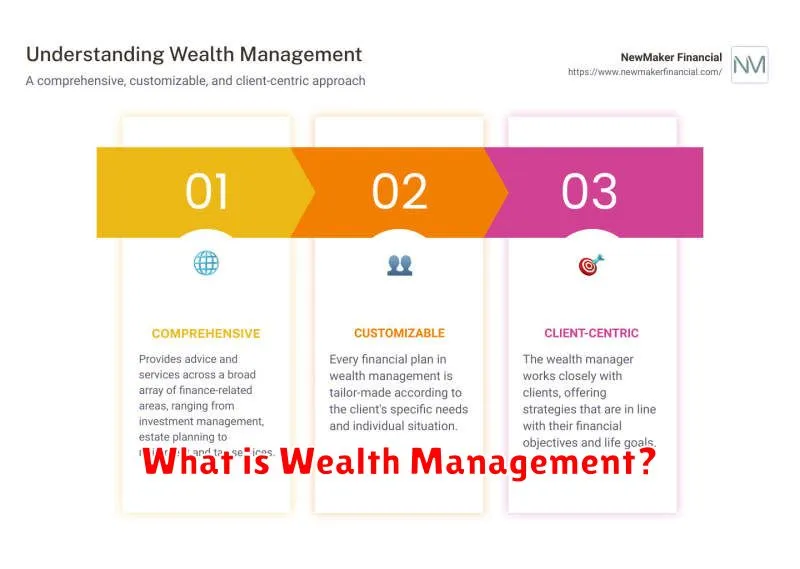
Wealth management is a comprehensive approach to financial planning that goes beyond simple investment strategies. It encompasses a holistic view of an individual’s or family’s financial situation, considering all aspects of their financial well-being.
This includes investment management, but also extends to estate planning, tax optimization, retirement planning, risk management, and philanthropic advising. The goal is to help individuals and families preserve, grow, and protect their assets while achieving their long-term financial goals.
A key element of wealth management is the development of a personalized financial plan tailored to the specific circumstances, risk tolerance, and objectives of the client. This requires a deep understanding of the client’s financial situation, values, and aspirations.
Ultimately, effective wealth management aims to provide financial security and peace of mind, allowing clients to focus on other aspects of their lives, knowing their financial future is well-managed.
How to Preserve Wealth for Generations

Preserving wealth across generations requires a multifaceted strategy. It’s not simply about accumulating assets; it’s about actively managing and protecting them for future inheritors.
Diversification is key. Spreading investments across various asset classes (stocks, bonds, real estate, alternative investments) mitigates risk and ensures resilience against market fluctuations. A well-structured portfolio should adapt to changing economic conditions and family needs.
Estate planning is paramount. This involves creating a comprehensive plan encompassing wills, trusts, and power of attorney documents. Careful consideration must be given to tax implications, asset distribution, and potential family disputes. Professional legal and financial advice is crucial in this area.
Education plays a vital role. Preparing heirs to manage wealth responsibly includes financial literacy training and mentoring. This empowers future generations to make informed decisions and preserve the family’s legacy.
Ethical and responsible investing is gaining prominence. Many high-net-worth individuals are incorporating Environmental, Social, and Governance (ESG) factors into their investment decisions, aligning their wealth with their values and contributing to a sustainable future.
Regular review and adjustment are essential. Market conditions, family circumstances, and personal goals evolve over time. Regularly assessing and adjusting the wealth preservation strategy ensures its continued effectiveness in achieving long-term objectives.
Tax Optimization Strategies for the Wealthy
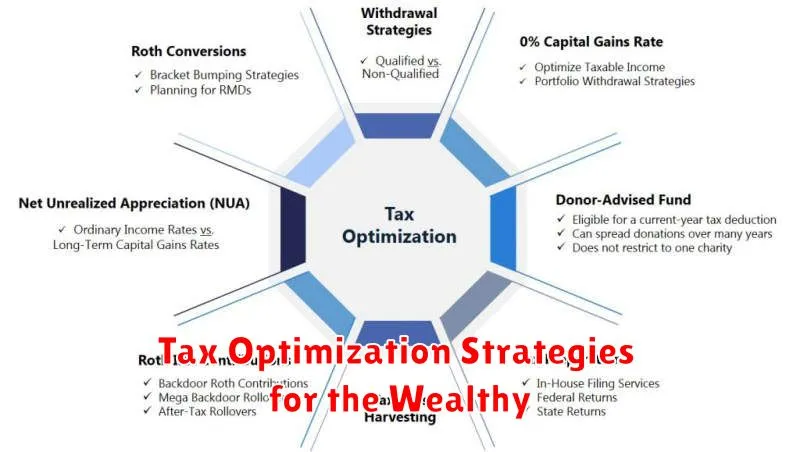
High-net-worth individuals (HNWIs) face unique tax challenges. Effective tax planning is crucial to minimizing their tax liability and maximizing wealth preservation. Strategies often involve leveraging various tax laws and regulations to their advantage.
Diversification of assets is a key strategy. This can include investing in tax-advantaged accounts like 401(k)s and IRAs, as well as exploring tax-exempt bonds and other investments structured for reduced tax implications. Careful consideration of the tax implications of different asset classes is paramount.
Estate planning is vital for HNWIs. This involves implementing strategies like trusts and other sophisticated estate planning vehicles to minimize estate taxes and ensure a smooth transfer of wealth to heirs. Charitable giving can also offer significant tax advantages.
Tax-loss harvesting allows offsetting capital gains with capital losses, reducing overall tax burden. Careful tax record keeping is essential for accurate filing and to identify potential areas for optimization. Engaging a qualified financial advisor and tax professional is crucial for developing a personalized tax optimization strategy.
International tax planning is necessary for HNWIs with global assets. Understanding and complying with tax laws in multiple jurisdictions is essential to avoid penalties and optimize their overall tax position. This frequently requires specialized expertise.
Best Investment Vehicles for High Net Worth Individuals

High net worth individuals (HNWIs) have diverse investment needs beyond typical savings accounts. Diversification is key, spreading risk across various asset classes.
Private equity offers high growth potential but with lower liquidity. Hedge funds provide sophisticated strategies, often aiming for absolute returns, but come with higher fees and complexity. Real estate, including both residential and commercial properties, can offer stable income and appreciation.
Alternative investments, such as commodities, art, and collectibles, may diversify a portfolio but require specialized knowledge and can be illiquid. Public equities (stocks) and bonds remain core components, offering varied risk and return profiles. Structured products provide tailored risk-return combinations, often incorporating derivatives.
The optimal investment vehicle mix depends on individual circumstances, including risk tolerance, time horizon, and financial goals. Expert advice from a wealth manager is crucial in navigating these complex options and developing a personalized strategy.
The Role of Estate Planning in Wealth Management

Estate planning is a critical component of wealth management for high-net-worth individuals. It involves proactively planning for the distribution of assets after death, minimizing taxes and ensuring a smooth transition of wealth to beneficiaries.
A well-structured estate plan considers various factors, including asset protection, tax minimization strategies (such as trusts and gifting), and the designation of guardians for minor children. It also addresses potential challenges like business succession, charitable giving, and the complexities of multi-generational wealth transfer.
Effective estate planning not only protects the family’s financial future but also offers peace of mind, knowing that their wishes will be honored and their legacy preserved. It allows for the controlled and efficient transfer of assets, minimizing potential disputes and legal complexities.
Working with experienced estate planning professionals, such as lawyers and financial advisors, is crucial for high-net-worth individuals to create a comprehensive plan tailored to their specific circumstances and long-term goals. This ensures the efficient and responsible management of their wealth across generations.
Private Banking vs Wealth Management

While often used interchangeably, private banking and wealth management are distinct but related services catering to high-net-worth individuals (HNWIs).
Private banking typically focuses on financial products and services, such as deposit accounts, loans, and investment products. It emphasizes a personalized, exclusive banking relationship with a dedicated advisor. The focus is primarily on banking services.
Wealth management, however, takes a more holistic approach. It encompasses financial planning, investment management, tax optimization, estate planning, and philanthropy, going beyond simply banking services. A wealth manager considers the client’s entire financial picture to create a customized strategy for achieving their long-term financial goals. This often includes working with other specialists like tax lawyers and estate planners.
In essence, private banking can be considered a component of wealth management. Some private banks offer wealth management services, but a dedicated wealth management firm may not necessarily offer full private banking services. The key difference lies in the breadth of services offered and the overall approach to managing a client’s wealth.
Alternative Investments for Wealth Growth

High-net-worth individuals (HNWIs) often seek alternative investments to diversify their portfolios and enhance returns beyond traditional asset classes like stocks and bonds. These alternatives offer unique opportunities for wealth growth, but also carry higher risk.
Private equity involves investing in privately held companies, offering potential for significant returns but with limited liquidity. Real estate, including commercial and residential properties, provides diversification and potential for rental income and appreciation. Hedge funds utilize sophisticated strategies to generate returns in various market conditions, though they often come with high fees and complexities.
Commodities like gold, oil, and agricultural products can act as inflation hedges and offer diversification benefits. Infrastructure investments, such as toll roads and utilities, provide stable income streams and long-term growth potential. Art and collectibles can appreciate significantly over time, but their value is highly subjective and liquidity can be limited.
Careful consideration of risk tolerance, investment timeline, and liquidity needs is crucial when selecting alternative investments. Professional advice from experienced wealth managers is essential to navigate the complexities of this asset class and build a well-diversified portfolio tailored to individual financial goals.
Hiring a Wealth Management Advisor

For high-net-worth individuals (HNWIs), engaging a wealth management advisor is crucial for navigating complex financial landscapes. A qualified advisor provides personalized strategies tailored to individual goals and risk tolerance.
The selection process requires careful consideration. Experience and credentials are paramount. Look for advisors with a proven track record, relevant certifications (like a CFP® or CFA®), and a demonstrated understanding of HNWIs’ unique needs. Fee structures should be transparent and aligned with your objectives.
Beyond credentials, consider the advisor’s philosophical approach. Does their investment philosophy resonate with your own? Do they prioritize long-term growth or short-term gains? Effective communication and a strong client-advisor relationship are also essential for successful wealth management.
Before hiring, schedule multiple consultations with potential advisors to assess compatibility and expertise. Ask specific questions regarding their experience with similar situations, their investment process, and their conflict of interest policies. A thorough due diligence process will ensure you choose a trustworthy and capable partner to manage your wealth.
