
Are you ready to unlock your financial freedom and maximize your wealth? This comprehensive guide on How to Maximize Your Wealth Through Passive Income will equip you with the strategies and knowledge to build a robust passive income stream. Discover proven methods to generate wealth without the constraints of a traditional 9-to-5 job. Learn how to leverage your assets, time, and skills to create multiple streams of passive income, ultimately securing your financial future and achieving lasting financial freedom.
What is Passive Income?
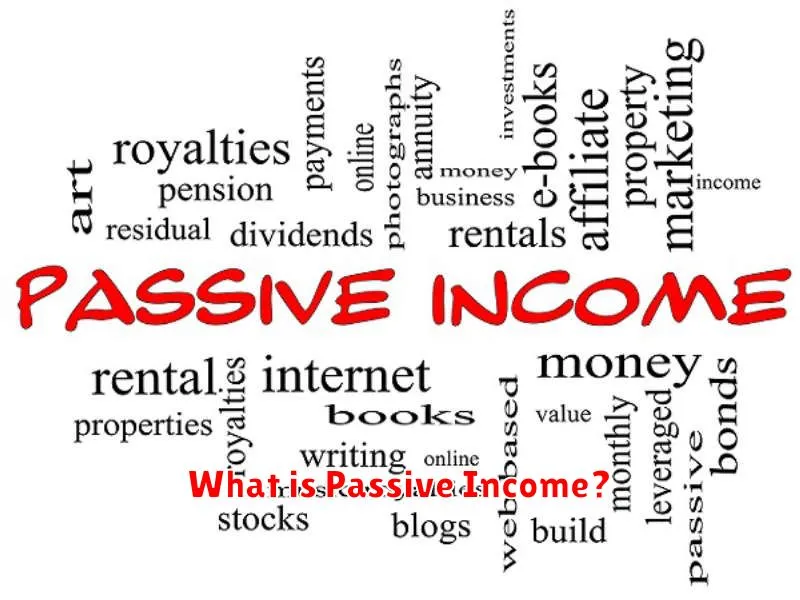
Passive income refers to money earned from an asset or business that requires minimal ongoing effort to maintain. It contrasts with active income, which necessitates consistent work for compensation. While some initial effort is typically required to set up a passive income stream (e.g., creating a product or investing in a property), the ongoing maintenance demands significantly less time and direct involvement than active income sources.
Examples of passive income streams include rental income from real estate, royalties from books or music, dividends from stocks, and interest from savings accounts. Importantly, the level of “passive” can vary; some activities requiring more management than others. The goal is to generate income with a significantly lower time commitment than traditional employment.
It’s crucial to understand that true passive income is relatively rare; even seemingly passive ventures often require some level of oversight and maintenance. However, the aim is to create a system that generates income while significantly reducing the amount of direct work needed.
Investing in Dividend Stocks

Investing in dividend stocks is a powerful strategy for generating passive income and maximizing your wealth. Dividend stocks offer a regular stream of income, paid out to shareholders from a company’s profits. This income can be reinvested to further compound your returns, accelerating wealth growth.
Choosing the right dividend stocks is crucial. Look for companies with a history of consistent dividend payments, strong financial performance, and a sustainable dividend payout ratio. Analyze their financial statements, consider their industry position, and assess management’s track record.
Diversification is key to mitigating risk. Don’t put all your eggs in one basket. Spread your investments across various sectors and companies to protect yourself from market volatility. A diversified portfolio can provide a more stable and reliable passive income stream.
Reinvesting dividends is a smart strategy to accelerate your wealth growth. By reinvesting the dividends you receive, you purchase more shares, increasing your ownership and future dividend payments. This compounding effect can significantly enhance your long-term returns.
Tax implications should be considered. Dividends are generally taxable income. Understanding the tax implications of your dividend income will help you make informed investment decisions and optimize your overall tax strategy.
While investing in dividend stocks offers significant opportunities for passive income, it’s important to remember that all investments carry risk. Market fluctuations can affect the value of your investments, and dividend payments are not guaranteed. Conduct thorough research and consider seeking professional financial advice before making any investment decisions.
Rental Properties as a Passive Income Source

Rental properties offer a significant avenue for generating passive income. This involves purchasing properties, either residential or commercial, and leasing them to tenants. The rental income received contributes directly to your wealth-building strategy.
While not entirely passive (requiring initial investment, property management, and occasional maintenance), rental income can create a consistent cash flow with the potential for long-term appreciation in property value. Careful selection of properties in high-demand areas is crucial for maximizing returns.
Effective property management is key to mitigating risks and maximizing profitability. This can involve hiring a professional property management company or actively managing the properties yourself. Thorough tenant screening is essential to minimize potential problems.
Consider factors such as mortgage interest rates, property taxes, and insurance costs when assessing the profitability of a rental property. A strong understanding of local real estate markets and regulations is highly recommended.
Diversification across multiple properties can help reduce risk and improve overall portfolio performance. This approach spreads potential losses and increases the overall stability of your passive income stream.
How to Make Money with REITs

Real Estate Investment Trusts (REITs) offer a pathway to passive income generation through real estate ownership without the direct management hassles. They are companies that own, operate, or finance income-producing real estate. Diversification is key; investing in a variety of REITs across different property sectors (residential, commercial, industrial) mitigates risk.
Investing in REITs can be done through purchasing shares on major stock exchanges, much like any other stock. Their value fluctuates based on market conditions and the performance of the underlying real estate assets. Dividends are a significant attraction; REITs are required to distribute a substantial portion of their taxable income as dividends to shareholders, providing a steady stream of passive income.
Long-term growth potential exists alongside dividend income. As the value of the underlying real estate appreciates, so too does the value of the REIT shares. However, it’s crucial to conduct thorough due diligence before investing, researching the REIT’s financial health, management team, and the overall market outlook for the specific property sector.
Tax advantages are another benefit. While dividends are taxed as ordinary income, the pass-through nature of REITs can offer certain tax efficiencies compared to direct real estate investment. It is advisable to consult with a financial advisor to understand the tax implications specific to your situation.
Remember that, like any investment, REITs carry risk. Market fluctuations can impact share prices, and individual REITs can underperform. A well-diversified portfolio and careful research are vital to mitigate potential losses and maximize returns.
The Benefits of Peer-to-Peer Lending

Peer-to-peer (P2P) lending offers several advantages for maximizing wealth through passive income. Higher returns are often achievable compared to traditional savings accounts or bonds. This is because lenders bypass intermediary institutions, reducing fees and increasing potential profit.
Diversification is another key benefit. By lending to multiple borrowers across various industries, investors can spread risk and reduce the impact of a single loan default. This strategy contributes to a more stable and resilient investment portfolio.
Accessibility is a significant factor. P2P lending platforms typically have lower minimum investment requirements than other investment options, making it accessible to a wider range of investors. This allows individuals with smaller capital to participate in the market and grow their wealth.
Transparency is often improved in P2P lending compared to traditional lending. Platforms frequently provide detailed information about borrowers and loan performance, allowing investors to make informed decisions. This increased transparency enhances investor control and confidence.
However, it’s crucial to remember that risk is involved. While diversification mitigates some risk, the possibility of loan defaults exists. Careful research and due diligence are crucial before investing in P2P lending.
Creating Passive Income Streams Online

Creating passive income streams online offers significant wealth-building potential. The key is to leverage digital platforms and technologies to generate income with minimal ongoing effort.
One popular method is affiliate marketing, where you earn a commission by promoting other companies’ products or services. Building a strong online presence, through a blog or social media, is crucial for success. This requires upfront effort in content creation and marketing but, once established, can generate consistent income.
Creating and selling digital products, such as ebooks, online courses, or templates, is another effective strategy. The initial effort involves designing and producing the product, but subsequent sales require minimal ongoing involvement, creating a scalable passive income stream.
Investing in dividend-paying stocks or real estate investment trusts (REITs) online can also provide a passive income source. While requiring initial capital investment, the returns from dividends can generate consistent income without requiring significant active management.
Building and monetizing a website or blog can be a long-term strategy. Generating high-quality content and implementing monetization strategies like advertising or affiliate marketing can create a substantial passive income source over time. The success of this strategy hinges on consistent content creation and SEO optimization.
Careful planning and diversification are crucial to maximizing your success in creating multiple passive income streams online. Remember that while “passive” implies minimal ongoing effort, initial setup and marketing often require significant time and energy.
How to Build a Passive Income Mindset

Building a passive income mindset requires a shift in perspective from active trading of time for money to creating systems that generate income independently. This involves embracing delayed gratification and focusing on long-term growth rather than immediate returns.
Embrace risk tolerance: Passive income strategies often involve some level of risk. Developing a comfort level with calculated risks is crucial for success. This doesn’t mean being reckless, but understanding and accepting potential downsides.
Cultivate patience and persistence: Building passive income streams takes time and effort. Consistency is key, and results may not be immediate. It’s important to persevere through initial challenges and setbacks.
Focus on value creation: Instead of chasing quick profits, concentrate on providing real value to your audience or customers. This approach creates a more sustainable and scalable passive income model. Prioritize quality over quantity.
Develop a strong work ethic: While the goal is passive income, the initial effort required is often significant. Dedication and a strong work ethic during the setup phase are vital to long-term success. This involves continuous learning and adaptation.
Continuously learn and adapt: The passive income landscape is constantly evolving. Staying up-to-date with industry trends, refining your strategies, and adapting to market changes are essential for maintaining and growing your passive income streams.
By adopting this mindset, you’ll not only increase your chances of achieving financial freedom but also cultivate a more fulfilling and independent lifestyle.
